Home Warranty Coverage
The systems and appliances I can put on your plan, and what each one includes.
Six Parts of Your Home I Can Add to a Plan
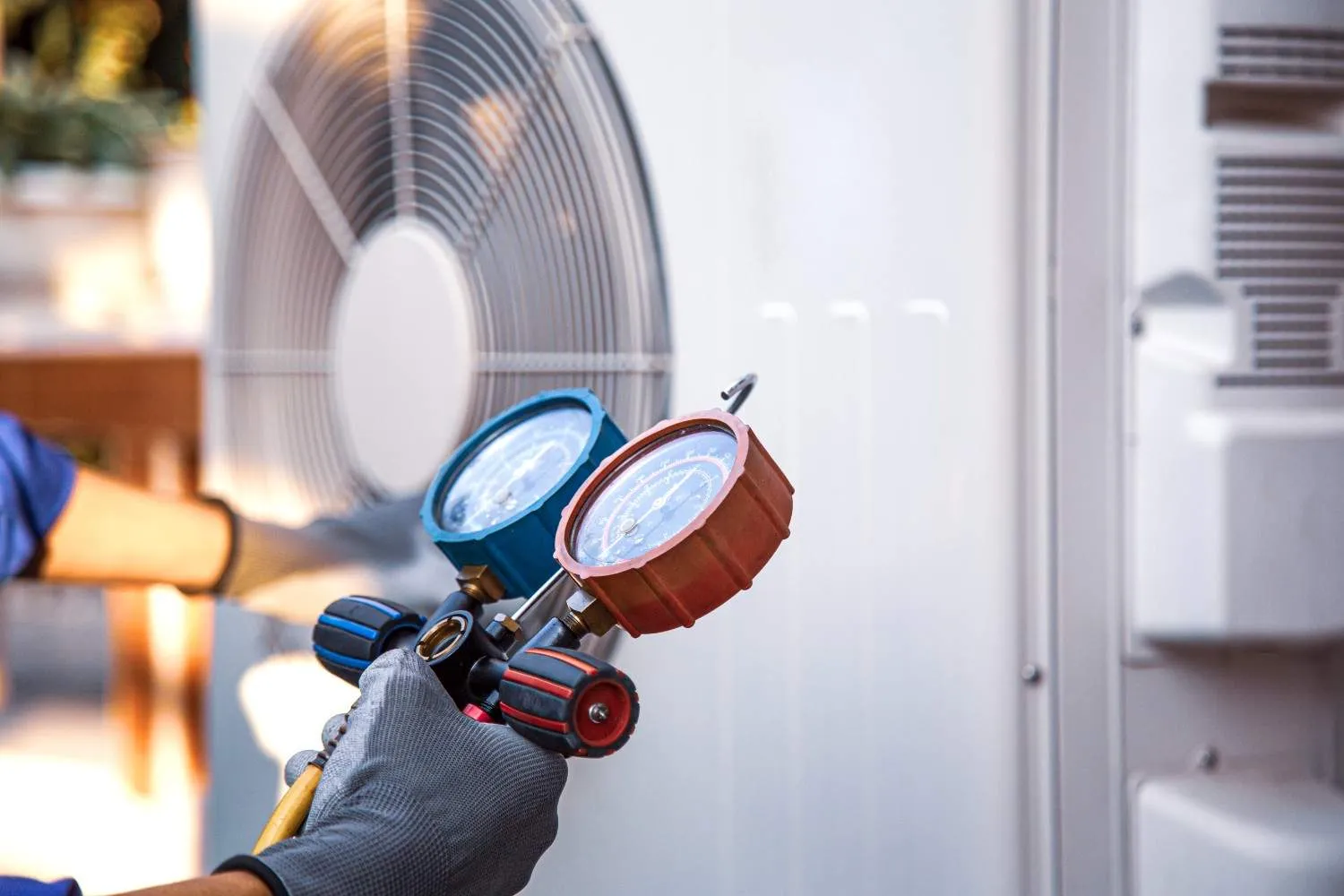
Heating & Cooling
I can add your furnace, central air and heat pump so the parts that keep rooms comfortable are looked after when they wear out.
- Furnace burners, igniters and blower motors
- Central air compressor and coils
- Heat pump parts
- Ductwork inside the home and the thermostat
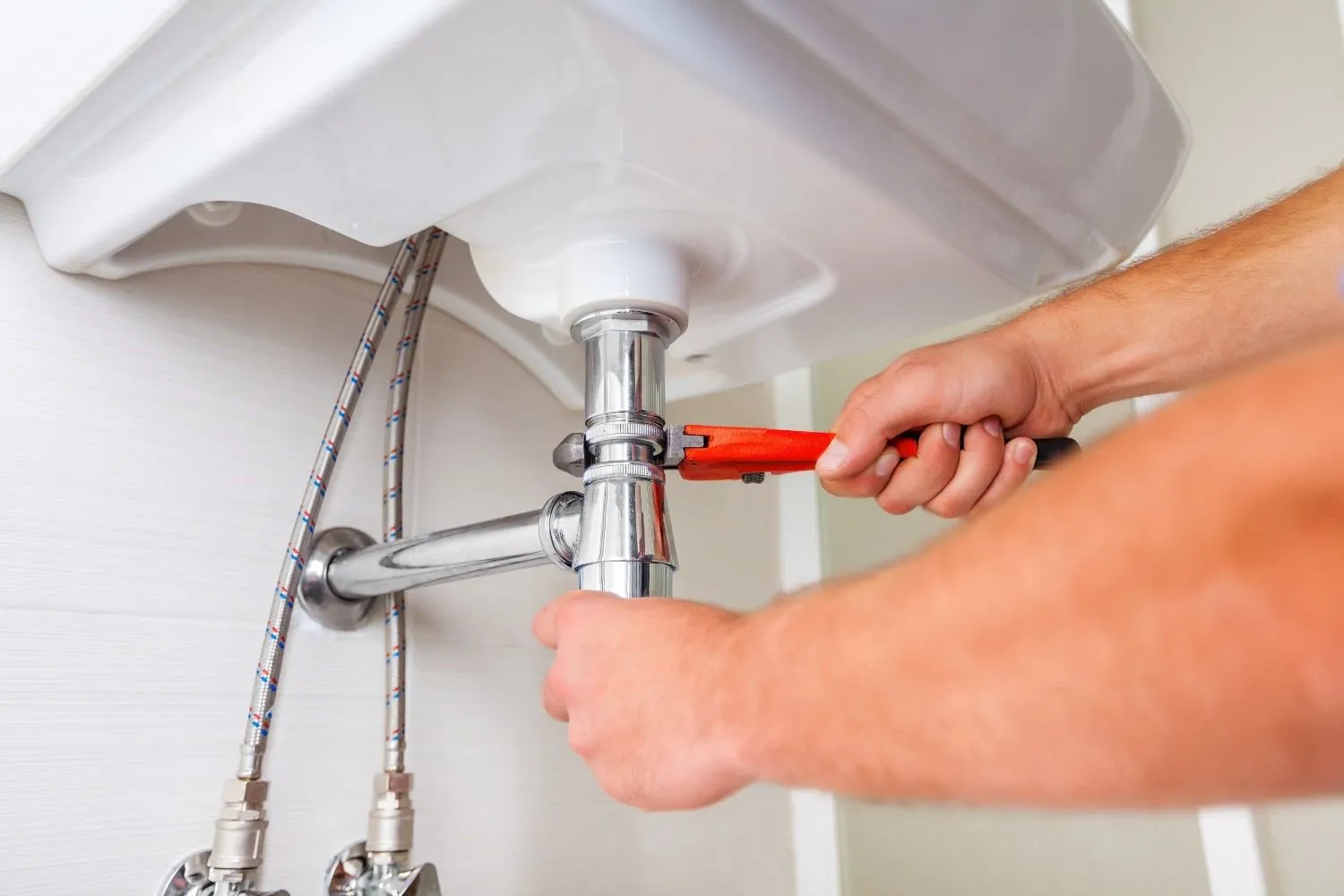
Plumbing
Leaks, clogs and worn fixture parts inside the walls and under the sinks are what this part of a plan is built for.
- Water supply and drain lines
- Clogged drains and sewer line stoppages
- Toilet tanks, bowls and inner parts
- Valves and shower diverters
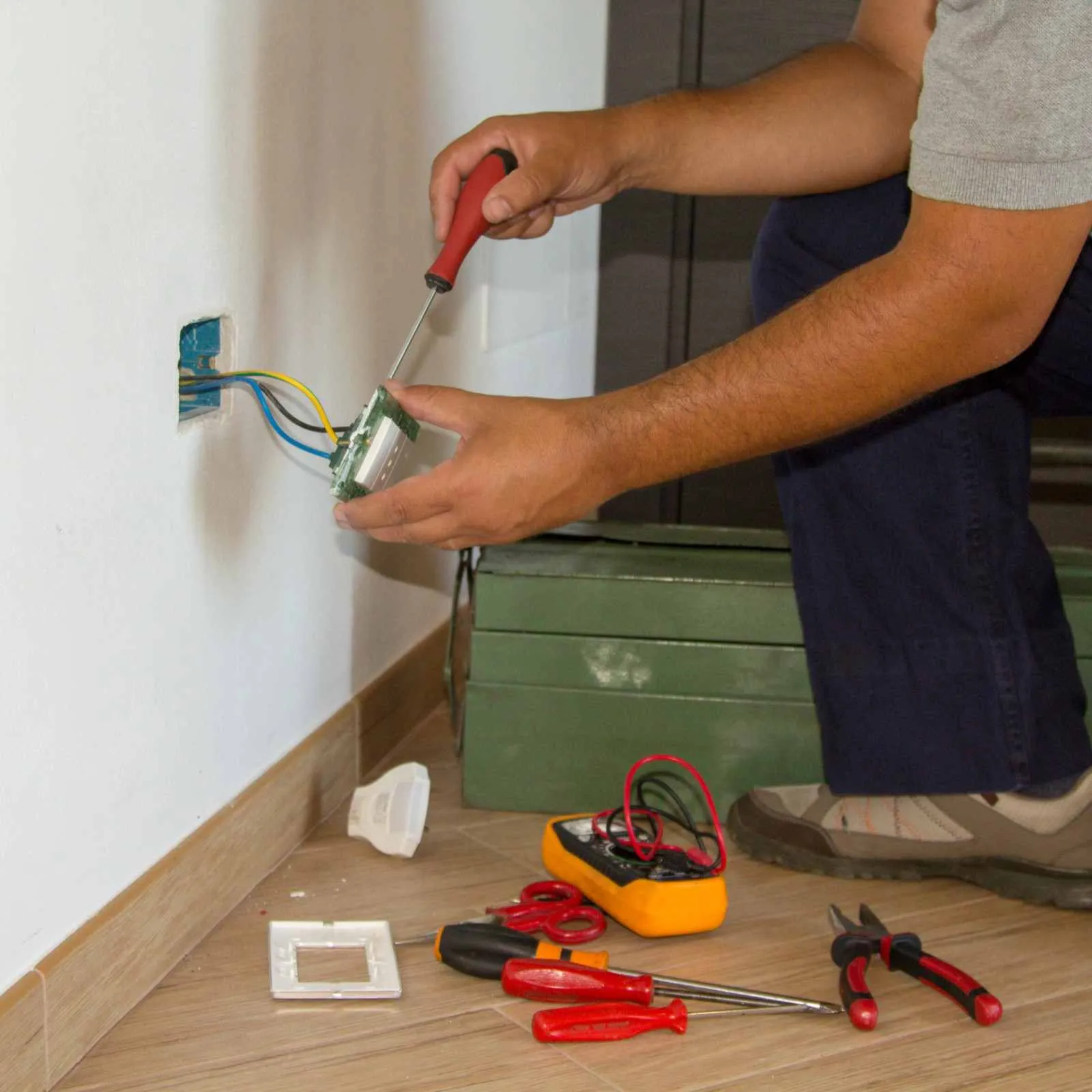
Electrical
The wiring, breakers and switches behind your walls can go on a plan, so a dead outlet or tripping breaker has a clear next step.
- Main electrical panel and breakers
- Wiring inside the home
- Outlets and wall switches
- Built in fixtures and doorbell wiring
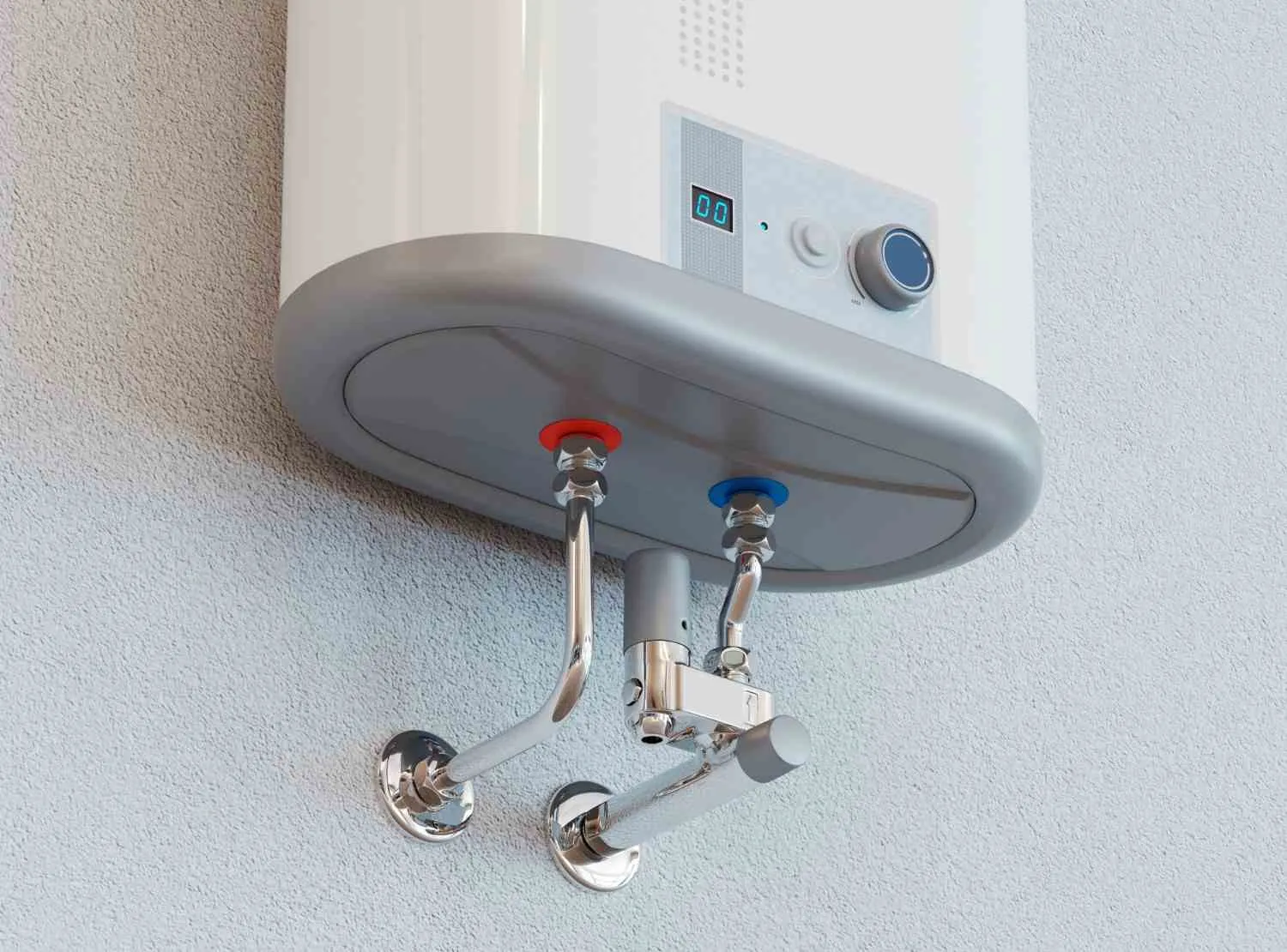
Water Heating
Whether you have a tank or a tankless unit, I can cover the parts that keep hot water coming to every tap.
- Gas and electric tank heaters
- Tankless water heaters
- Elements, thermostats and gas valves
- Pressure relief valves
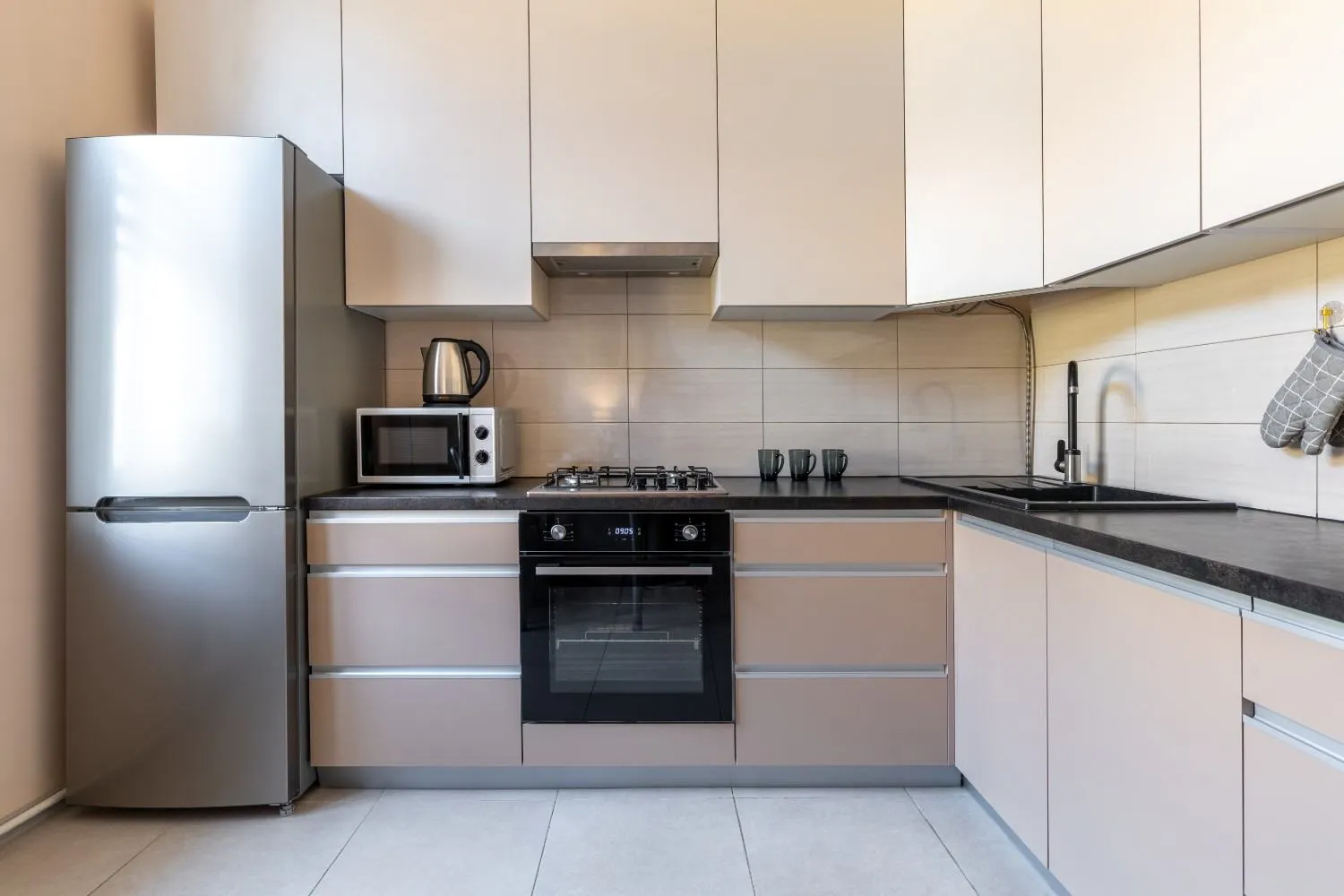
Kitchen Appliances
The appliances you lean on for every meal can be listed on your plan, along with the parts that tend to fail first.
- Refrigerator, ice maker and water dispenser
- Range, oven and cooktop
- Dishwasher
- Built in microwave and garbage disposal
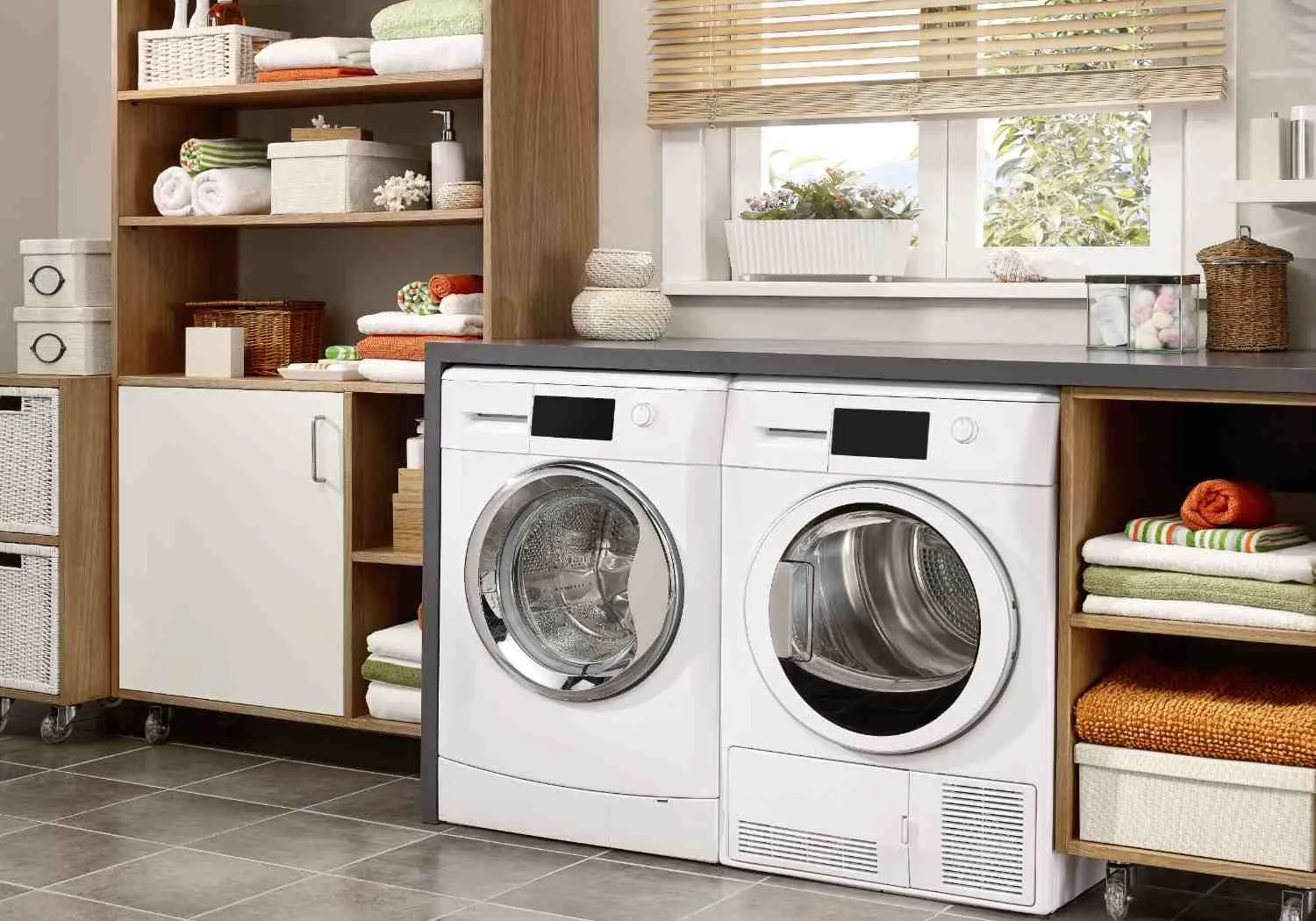
Laundry Appliances
Your washer and dryer can sit on the same plan as the rest of the house, with their working parts covered too.
- Clothes washer
- Gas or electric dryer
- Drive motors, belts and pumps
- Timers, control boards and switches
What a Plan Usually Covers and What It Leaves Out
Your contract lists the exact terms. These are the patterns I walk through with every homeowner first.
Usually covered
- Breakdowns caused by normal wear and everyday use
- Parts that fail inside a listed system or appliance
- Repair labor from a matched local technician
- Replacement when a covered item cannot be repaired, within plan limits
Usually left out
- Problems that were already there before coverage began
- Damage from storms, floods, fire or accidents
- Cosmetic issues that do not affect how an item works
- Upgrades, code changes and permits beyond the repair itself
How Coverage Works
-
Step 1
Pick Coverage
Choose coverage for your home systems, your appliances or both. Every covered item is listed in your contract.
-
Step 2
Coverage Starts
Coverage starts after a short waiting period. Each item needs to be in working order on the day it begins.
-
Step 3
Request Service
If a covered system or appliance breaks down from normal use, send me a service request online with the details.
-
Step 4
Covered Repair
A matched technician checks the item. A covered repair or replacement goes ahead for your set service fee.
Know What Is Covered Before Something Breaks
Get StartedTerms on Your Plan, Explained Plainly
Service fee
The set amount you pay each time a technician comes out for a covered request.
Waiting period
A short stretch after you sign up before requests can be made on your plan.
Coverage limit
The most a plan pays toward a single item or repair, shown next to that item.
Prior condition
A fault that existed before your plan started. I explain how this is checked up front.